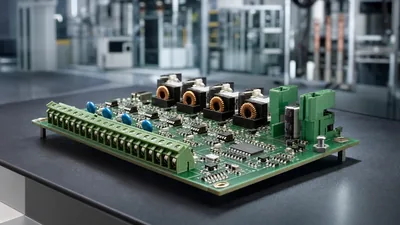
Battery Monitoring Module: Engineering Architecture & Design
Learn how a battery monitoring module measures cell voltages, temperatures, and impedance to ensure precision balancing, thermal safety, and system uptime.
Practical engineering guides on specifying transformers, switchgear, compact substations and battery energy storage — written for buyers, consultants and project engineers.
Learn how a battery monitoring module measures cell voltages, temperatures, and impedance to ensure precision balancing, thermal safety, and system uptime.
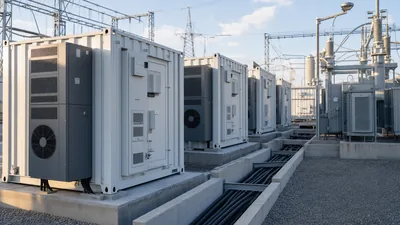
Specify and size an industrial power bank for factory backup and peak shaving. Compare cell topologies, calculate battery capacity, and review safety standards.
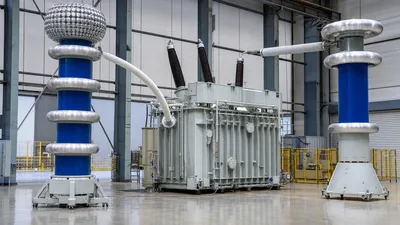
Master high voltage test standards, applied and induced voltage procedures, pass-fail criteria, and test kVA calculations per IEC 60076-3 and IEEE C57.12.00.
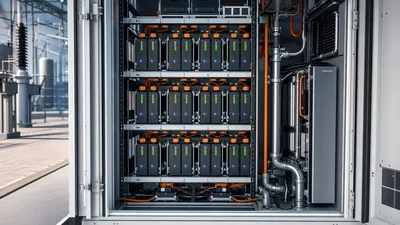
What is battery energy? Learn how electrochemical energy is quantified, calculated, and stored in industrial BESS installations to optimise project sizing.

Master state of charge voltage curves, open-circuit voltage calibration, and BMS estimation methods for industrial LFP and NMC battery storage systems.
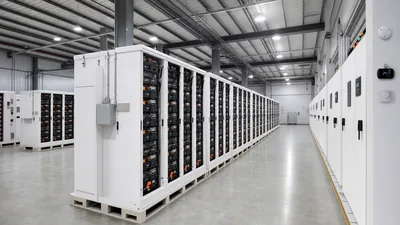
Evaluate the shelf life of batteries for utility and industrial BESS. Learn calendar degradation rates, Arrhenius calculations, and storage protocols.
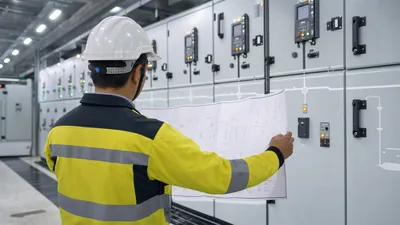
Master switchgear diagram interpretation. Learn single-line diagrams, schematic drawings, three-line prints, and wiring schedules per IEC and IEEE standards.
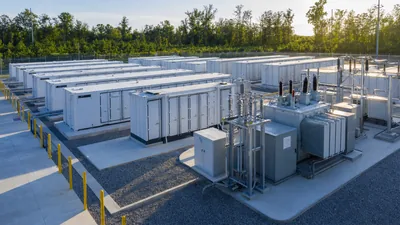
Master the design, siting, sizing, and balance-of-plant engineering for utility and commercial battery storage projects to ensure grid compliance and safety.
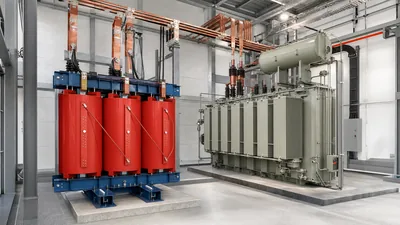
Discover which type of transformer fits your electrical infrastructure. Compare dry-type, oil-filled, pad-mounted, and commercial building transformer designs.
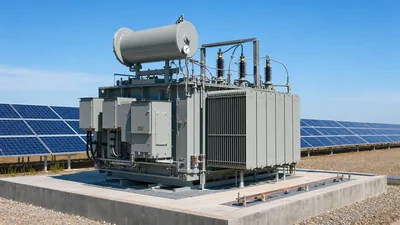
Master solar power transformer design, harmonic K-factor derating, dual-LV winding specs, and IEEE C57.159 standards for utility-scale PV plants.
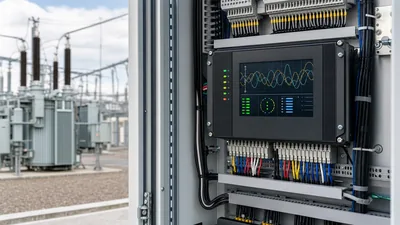
Master transformer relay engineering: ANSI codes, 87T differential slope calculations, CT matching, mechanical trips, and complete testing procedures.
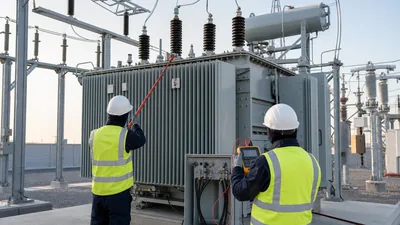
Master three phase line to line voltage calculations, vector relationships, standard ratings, and transformer sizing with practical engineering formulas.
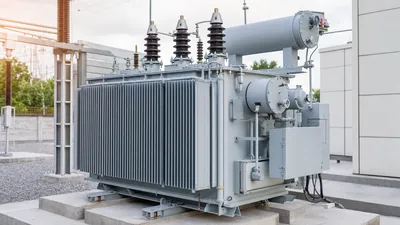
Learn how to write an accurate transformer specification. Review voltage ratings, impedance calculations, cooling classes, standards, and RFQ schedules.
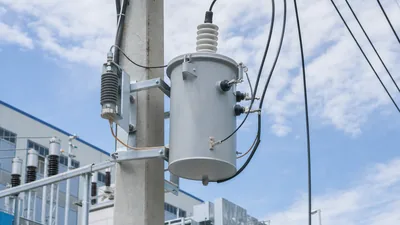
Master single phase distribution transformer sizing, standards, and specs. Compare pole-mounted bucket transformers and padmounts for reliable distribution.

Engineer a reliable solar power for barn installation with proper photovoltaic array sizing, agricultural ESS specifications, and NEC 547 compliance.

Explore mechanical storage of energy technologies, including pumped hydro, CAES, and flywheels. Compare round-trip efficiencies, sizing, and grid integration.
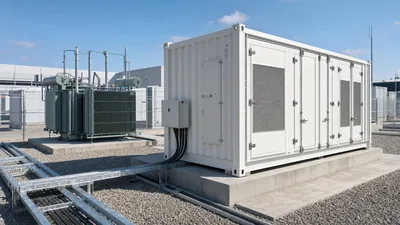
Explore the technical and economic benefits of battery energy storage systems, including peak shaving, grid frequency regulation, and asset deferral.
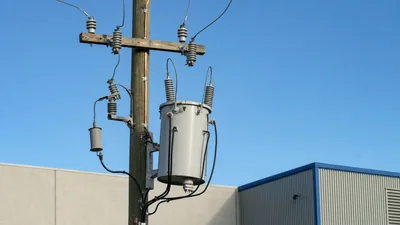
Master the pole transformer diagram with this engineering guide to terminal markings, split-phase residential wiring, 3-phase connections, and protection.
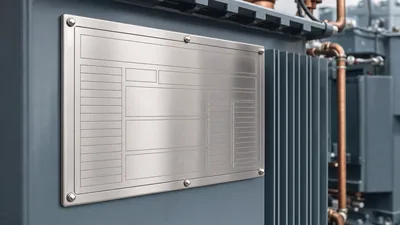
Learn why the term capacity on a transformer nameplate refers to continuous apparent power in kVA or MVA, plus how cooling class and temperature rise affect it.
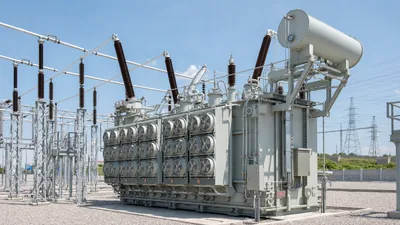
Master phase shifting transformer selection, core topologies, and power flow control. Explore vector math, OLTC integration, and IEC 60076-57-1202 standards.
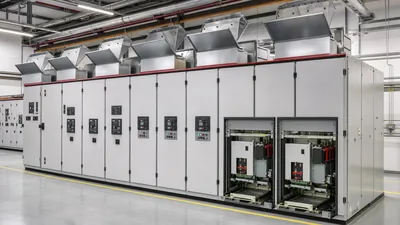
Discover proven arc flash mitigation techniques and engineering solutions to reduce incident energy, meet IEEE 1584 standards, and protect switchgear operators.
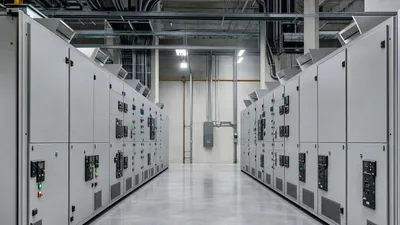
Understand 480 arc flash risks, calculate incident energy via IEEE 1584-2018, and specify low-arc 480V switchgear to protect industrial power distribution.
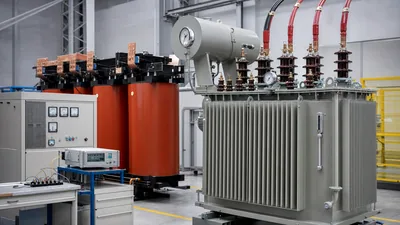
Evaluate distribution transformer suppliers with technical sizing criteria, Total Owning Cost calculations, FAT standards, and substation integration rules.
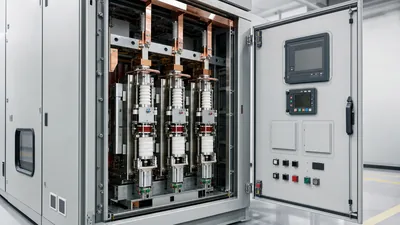
Master circuit breaker ratings for substations: calculate breaking capacity, peak withstand, voltage limits, and derating per IEC 62271 and IEEE C37.
Page 9 of 25 · 596 guides
Subscribe by RSS: /feed.xml