Key takeaways
- The 18650 name encodes geometry: 18 mm diameter and 65.0 mm length, with a typical mass of 44–50 g per cell.
- Genuine high-energy 18650 cells peak at about 3.5–3.6 Ah; labels of 6,000–9,900 mAh indicate counterfeit or rewrapped cells.
- Pack voltage equals cells in series times cell voltage, and capacity equals cells in parallel times cell capacity, written as nSmP.
- A 10 kWh 48 V pack needs about 936 NMC 18650 cells (13S72P), versus just 16 large 314 Ah LFP prismatic cells.
- Cells and packs should carry UN 38.3 transport testing plus IEC 62133-2 for portable use or IEC 62619 for industrial and stationary use.
Quick answer: An 18650 lithium battery is a cylindrical lithium-ion cell 18 mm in diameter and 65 mm long. NMC or NCA versions run at 3.6–3.7 V nominal, charge to 4.2 V and hold 2.5–3.6 Ah, about 9–13 Wh. LiFePO4 18650 cells run at 3.2 V and hold roughly 1.1–1.8 Ah. Any 18650 claiming over about 3.6 Ah is almost certainly mislabeled.
The 18650 is the most widely produced lithium-ion cell format in history. It powered laptops for two decades, became the building block of early electric vehicles and power tools, and still appears in flashlights, e-bikes and DIY battery packs. Because it is so common, it is also the most counterfeited, with capacity claims that defy chemistry.
This guide is for engineers, procurement teams and technically minded builders who need to understand what an 18650 lithium ion battery actually is, how it compares with LiFePO4, lithium polymer and large prismatic cells, how pack configurations are calculated, and why stationary energy storage has moved away from small cylindrical cells.
What Is an 18650 Lithium Battery?
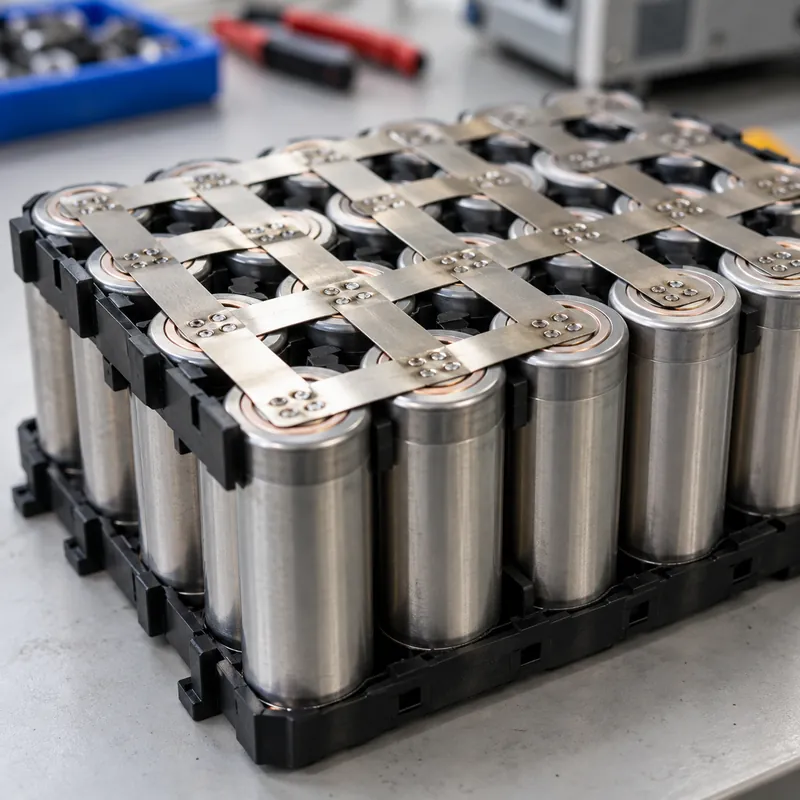
A battery cell is the smallest electrochemical unit of a battery, containing one anode, one cathode, separator and electrolyte in a sealed can or pouch. The 18650 is a cylindrical cell in which long electrode and separator strips are wound into a "jelly roll" and sealed in a nickel-plated steel can, with the positive cap containing a pressure-relief vent, and often a current interrupt device and PTC element.
| Parameter | NMC/NCA 18650 | LiFePO4 18650 |
|---|---|---|
| Nominal voltage | 3.6–3.7 V | 3.2 V |
| Charge voltage | 4.20 V (some 4.35 V) | 3.60–3.65 V |
| Discharge cut-off | 2.5–3.0 V | 2.0–2.5 V |
| Capacity | 2.0–3.6 Ah | 1.1–1.8 Ah |
| Energy per cell | 7–13 Wh | 3.5–5.8 Wh |
| Specific energy | 200–270 Wh/kg | 90–130 Wh/kg |
| Cycle life (to 80%) | 300–1,000 | 1,500–3,000+ |
There is a trade-off inside each chemistry between energy and power. High-capacity cells (3.4–3.6 Ah) are limited to roughly 5–10 A continuous; high-drain cells for tools (2.0–3.0 Ah) deliver 15–30 A. The 21700 format (21 × 70 mm) raises capacity to about 4–5 Ah with the same chemistries. For how the electrochemistry works, see how batteries work.
Lithium-Ion Battery Chemistries: NMC, NCA, LFP and LiPo
"Lithium-ion" covers a family of chemistries defined mainly by the cathode material. Each 18650 is one of them.
- NMC (lithium nickel manganese cobalt oxide): balanced energy and power, the most common 18650 chemistry.
- NCA (lithium nickel cobalt aluminum oxide): very high energy density, used in high-capacity cylindrical cells.
- LCO (lithium cobalt oxide): high energy, lower power, mostly phones and older laptops.
- LFP or LiFePO4 (lithium iron phosphate): lower voltage and energy density, but long cycle life, flat voltage curve and much higher thermal stability.
Lithium polymer (LiPo) is not a separate cathode chemistry. It describes cells in a flexible laminated pouch, usually with a gel or polymer-modified electrolyte, typically using LCO or NMC cathodes at 3.7 V nominal. Searches for "lipo4" or "lipo 4 battery" almost always mean LiFePO4, not LiPo; the two behave very differently. LiPo cells for drones and models deliver extreme discharge rates but swell and are vulnerable to puncture. Details are in our LiPo battery cells guide.
For large stationary systems, LFP dominates because its cathode releases far less oxygen when overheated, raising the onset temperature of thermal runaway. The comparison is set out in LFP vs NMC battery.
Cylindrical vs Prismatic vs Pouch Cells
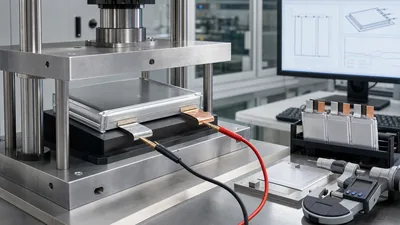
Cell format affects pack design as much as chemistry. A cylindrical battery uses a wound electrode in a round metal can; a prismatic cell uses stacked or flattened wound electrodes in a rectangular aluminum case; a pouch cell uses stacked electrodes in a heat-sealed laminate.
| Format | Typical capacity | Strengths | Weaknesses | Main uses |
|---|---|---|---|---|
| 18650 / 21700 cylindrical | 1.1–5 Ah | Mature automated production, robust can, good cooling surface | Many cells and welds per kWh, complex packs | Tools, e-bikes, laptops, some EVs |
| Large cylindrical (e.g. 46-series) | 15–30 Ah | Fewer cells, tabless designs | Newer supply chain | EVs |
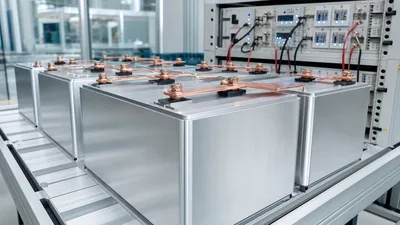
| Prismatic LFP | 50–320 Ah | Few cells per kWh, simple busbars, high packing density | Needs compression fixtures, swelling management | Stationary ESS, buses, EVs |
| Pouch | 5–100 Ah | High energy density, flexible shapes | Needs external structure, swelling | Phones, drones, some EVs |
A 280 Ah or 314 Ah LFP prismatic cell at 3.2 V stores about 0.9–1.0 kWh, the energy of roughly 160–280 LFP 18650 cells. That reduction in part count, welds and BMS channels is why modern C&I and utility storage uses large prismatic LFP. See our LiFePO4 prismatic cells guide and the broader battery cell selection guide.
How Do You Calculate a Li-Ion Battery Pack Configuration?
A battery pack is an assembly of cells connected in series and parallel, with a BMS, interconnects, enclosure and protection. Configuration is written nSmP: n cells in series, m groups in parallel.
V_pack = n × V_cellAh_pack = m × Ah_cellE_pack (Wh) = n × m × V_cell × Ah_cell
Worked example: 48 V, 10 kWh pack
- NMC 18650, 3.6 V, 3.0 Ah (10.8 Wh). Series count for 48 V class: 13S gives
13 × 3.6 = 46.8 Vnominal, 54.6 V full. - Parallel count:
10,000 / (46.8 × 3.0) = 71.2 → 72P. - Total cells:
13 × 72 = 936, about 44 kg of cells alone, plus 936 cell-to-busbar weld pairs. - LFP prismatic, 3.2 V, 314 Ah. 16S gives 51.2 V, and
51.2 × 314 = 16.1 kWhwith just 16 cells.
Current per cell also matters. At 5 kW from the NMC pack, current is 5,000 / 46.8 = 107 A, or 1.5 A per cell, comfortable. The BMS still has to monitor 13 series groups and balance them; see lithium-ion cell balancing.
Parallel groups should be built from matched cells (capacity within about 1–2% and internal resistance closely matched), because a weak cell in a parallel group ages faster and drags the series string down.
DIY Battery Packs: Engineering Risks to Understand
Building a lithium ion battery pack from loose 18650 cells is common among hobbyists, but it carries real fire risk. A single internal short can drive one cell into thermal runaway and propagate to neighbors; the mechanism is explained in our thermal runaway guide. Engineering points that professional pack designers address include:
- Cell provenance: new, matched, same-lot cells from a traceable supplier; never mixed recycled laptop cells.
- Interconnects: resistance-welded nickel or copper-nickel strip; soldering directly to cells overheats the internal seals.
- Cell-level fusing: fuse wire or fusible links so a shorted cell disconnects from its parallel group.
- BMS: per-series-group voltage monitoring, overcurrent, short-circuit and temperature protection, plus balancing.
- Insulation and spacing: fish paper on positive ends, cell holders, and thermal barriers between groups.
- Enclosure and venting: a path for vent gases away from people and combustibles.
For anything beyond small portable devices, the better path is a factory-built pack or system tested to the relevant standard. Component options for professional pack builders are covered in our battery pack supplies guide.
Packs used in commercial products also need design verification testing, such as the abuse tests in IEC 62133-2 or UL 2054, which home-built packs never receive.
Where to Buy Lithium Batteries: Sourcing and Certification
Whether buying a few 18650 lithium cells or bulk lithium batteries for production, the same checks separate genuine cells from risky ones.
- Capacity sanity check. No commercial 18650 exceeds about 3.6 Ah. A label of 6,800 or 9,900 mAh is false; such cells often test at 0.5–1.5 Ah.
- Weight check. Genuine high-capacity NMC 18650s weigh 44–50 g; much lighter cells are suspect.
- Datasheet. Request the manufacturer's datasheet with capacity at stated C-rate, internal resistance, cycle life and maximum continuous current.
- Certification. UN 38.3 test summary for shipping; IEC 62133-2 or UL 1642 for cells in portable products; UL 2054 for portable packs; IEC 62619 and UL 1973 for industrial and stationary packs.
- Incoming inspection. Measure open-circuit voltage, internal resistance and capacity on a sample from each lot.
Cheapest lithium batteries are frequently rewrapped pulls or grade-B cells. Li ion battery wholesale suppliers should provide lot traceability. Shipping lithium cells falls under dangerous goods rules (UN 3480 for cells and batteries alone), which affects cost and lead time.
For stationary energy storage, buying cells is rarely the right level: buy a certified system. Our article on LFP battery cells explains what cell specs matter inside such systems.
Next Steps: Specifying and Sourcing
If you are specifying cells or packs, write down the application's voltage window, continuous and peak current, energy, temperature range, cycle-life target and certification requirements before choosing a format. For small portable products, 18650 or 21700 NMC cells remain a sound choice. For anything cycled daily at tens of kWh or more, large-format LFP is almost always more economical and safer per kWh.
When comparing pack quotations, ask for capacity at the stated C-rate and temperature, the cell model and lot traceability, BMS functions and certification reports covering the complete pack, not only the cells.
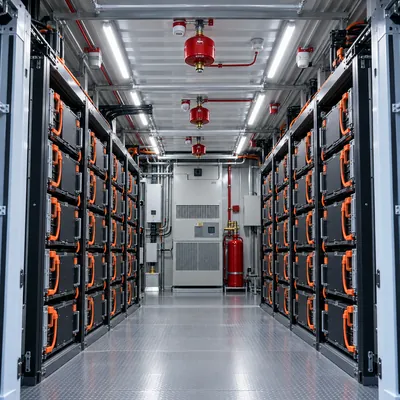
MARS does not sell loose cells or DIY packs. We manufacture complete stationary LFP energy storage systems built from large prismatic cells: liquid-cooled ESS cabinets of 93–372 kWh for commercial and industrial sites, and containerized systems from 500 kWh to 10 MWh with PCS, BMS/EMS and fire suppression, designed for IEC 62619 and UL 9540-based compliance programs. Typical lead time is 60–90 days and FAT is welcome. See the full energy storage range or send your requirements via the quote form.
Frequently asked questions
What does 18650 mean on a lithium battery?
18650 is a size code: 18 mm diameter and 65.0 mm length, with the final zero indicating a cylindrical cell. It says nothing about chemistry or capacity. An 18650 may be NMC, NCA, LCO or LiFePO4, with nominal voltages from 3.2 V to 3.7 V and capacities from about 1.1 Ah to 3.6 Ah.
How long does an 18650 battery last?
NMC and NCA 18650 cells typically deliver 300–1,000 full cycles before falling to 80% of rated capacity, depending on charge voltage, discharge rate and temperature. LiFePO4 18650 cells commonly exceed 1,500–3,000 cycles. Calendar aging also applies, so cells lose capacity slowly even in storage.
Is LiFePO4 the same as lithium-ion?
LiFePO4 is a type of lithium-ion battery that uses lithium iron phosphate as the cathode. It has a lower nominal voltage of 3.2 V versus 3.6–3.7 V for NMC, lower energy density, but much longer cycle life and higher thermal stability, which is why it dominates stationary storage.
What is the difference between LiPo and Li-ion batteries?
Li-ion usually refers to cells in rigid metal cans with liquid electrolyte, such as 18650s. LiPo refers to lithium polymer pouch cells with gel or polymer-modified electrolyte in a flexible laminate. Chemistry is similar, but LiPo cells are lighter and shape-flexible, offer high discharge rates and are more vulnerable to swelling and puncture.
How many 18650 cells are in a 48V battery?
A 48 V nominal pack using NMC 18650 cells is usually 13 in series, giving 46.8 V nominal and 54.6 V full, multiplied by the number of parallel cells per group. A 13S20P pack of 3.0 Ah cells contains 260 cells and stores about 2.8 kWh. LiFePO4 18650 packs use 15S or 16S.
Are 18650 batteries used in energy storage systems?
Some early and small residential storage products used cylindrical cells, but modern commercial and utility storage overwhelmingly uses large-format prismatic LFP cells of 280–320 Ah. They reduce cell count per kWh by roughly a hundredfold, simplify monitoring and improve thermal safety.
Written and reviewed by the MARS application engineering team in Shanghai, who specify and test transformers, switchgear, substations and battery storage for projects in 40+ countries. Last updated .
Tags: 18650 lithium battery lithium ion battery cells lifepo4 battery pack li ion battery pack cylindrical lithium battery